Why Digital Resources Are Transforming Education in Australia
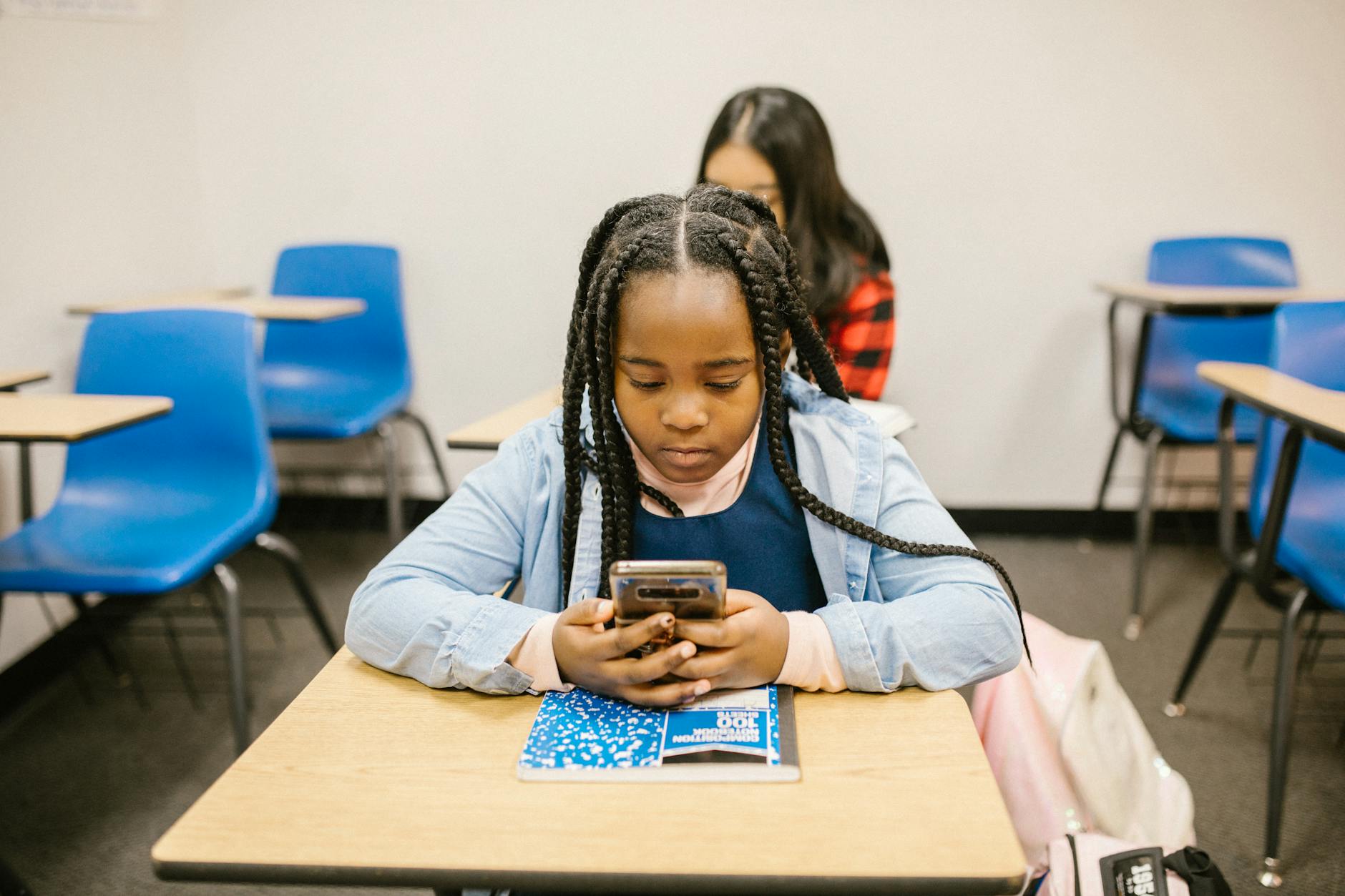
Digital Resources: An Overview
The landscape of education is rapidly evolving, increasingly incorporating digital resources to transform traditional learning environments. In Brisbane, institutions such as the Queensland Museum and South Bank educational precincts are pivotal in demonstrating how technology can be harnessed to engage students effectively. One of the foundational advancements that educators are capitalizing on is improved internet connectivity through options like wireless broadband. This enables seamless access to a plethora of online educational content, streaming applications, and collaborative platforms essential for modern learning.
Evolution of Learning Tools
The transition from traditional learning tools to digital platforms has been significant, driven in part by internet platforms like Amazon internet or Telstra satellite internet, which ensure students in even the most remote areas have access to quality education. This evolution has made educational experiences more interactive and immersive, moving beyond textbooks to incorporate virtual labs and interactive simulations.
Key Technologies in Use
Key technologies are now being integrated, including cloud-based learning management systems and interactive digital tools. Starlink Australia infrastructure is another prime example, providing robust connectivity that supports multimedia learning. These technologies are critical in supporting the implementation of diverse educational methodologies that cater to varying learning styles.
Role in Modern Education
Incorporating these digital resources and technologies is essential for fostering an enriched educational experience. By leveraging contemporary tools and connectivity options, educators can equip students with relevant skills for the digital economy. These resources also allow for a more personalised and adaptive learning experience, which is crucial for addressing individual student needs. The integration of technology in education not only modernises teaching but also bridges access gaps, ensuring an equitable learning environment across Australia.
Benefits for Australian Education
Enhancing Accessibility
Access to robust internet infrastructure like Amazon Leo is pivotal in making educational resources widely available. Many households in Australia rely on fibre to node technology to connect to learning platforms and virtual classrooms. This mode of connection ensures that students, no matter where they are located, can access educational materials without significant delays. For those weighing the 5g vs nbn options, it’s crucial to understand that each has its merits, with NBN offering more stable connections for static household setups and 5G providing flexibility for mobile users.
Educational institutions near the Queensland Museum and South Bank educational precincts have embraced these technologies to offer seamless connectivity and broaden access to online learning. The increased deployment of digital tools supports inclusive education, allowing diverse learners to participate fully in educational opportunities. This equitable access fosters a collaborative environment where students, educators, and institutions work together towards academic successes, bridging geographical and socio-economic divides.
Expanding access isn't just about installing technology; it involves empowering educators with the resources they need to utilise these tools effectively, ensuring every student benefits from a comprehensive, modern education. As we integrate these digital solutions into everyday teaching and learning, we're building a future where education is accessible and adaptable.
Environmental Impact Considerations
Reducing Paper Usage
Embracing technology in education contributes significantly to reducing paper waste, creating a more sustainable environment. Many educational materials, once reliant on extensive printed copies, are now available in digital form. This transition aligns with a digital-first approach and significantly decreases the demand for paper. Using virtual learning tools can alleviate the strain on our natural resources, making education more eco-friendly—a concern relevant to those invested in environmental conservation, like Jack's commitment to integrating sustainable practices.
Energy Efficiency Measures
When considering energy consumption, it’s essential to compare internet options that emphasise energy efficiency. Home wireless broadband systems, for example, are typically more energy-efficient than traditional connections. They not only support remote work but also align with a commitment to energy conservation. This makes them ideal for Jack, who seeks connectivity solutions with minimal ecological footprints. As we delve into evaluating these systems, it is helpful to explore resources around the Queensland Museum, which is known for its energy conservation initiatives.
Sustainable Device Choices
Opting for devices designed with sustainability in mind is crucial. Consider products with energy-saving certifications, as they indicate a lower environmental impact. Investing in devices with longer life spans and those made with recyclable materials supports a circular economy—something that resonates with Jack’s values of sustainability and community. Implementing these practices within educational contexts not only advances environmental goals but also fosters a culture of responsibility among learners.
Challenges in Implementation
Digital Literacy Barriers
Navigating digital literacy can be a tricky endeavor for educators and learners alike, particularly when new educational technologies are introduced. This obstacle is evident even in vibrant educational surroundings like South Bank educational precincts. Digital literacy encompasses understanding how to use various devices and platforms essential for today's learning and teaching environments. To address these barriers, educators like myself need to focus on ensuring that resources and support are readily available. Collaborative workshops and training sessions are beneficial for fostering digital skills among both students and staff.
Internet Access Disparities
Access to reliable internet connections is crucial for the seamless operation of digital learning tools. However, many regions in Australia experience disparities in internet accessibility, which can affect the adoption of digital resources. While fixed wireless nbn offers improved coverage in some areas, reliance on older technologies like ADSL still hampers connectivity in others. Ensuring equitable internet access requires addressing these gaps through government initiatives and exploring alternative technologies to boost coverage in underserved areas.
Privacy and Security Concerns
With the integration of technology in education, concerns around privacy and security are ever-present. Maintaining the confidentiality of student data is a priority that cannot be overlooked. Educators must be vigilant and consistently update their understanding of privacy protocols and cybersecurity measures to protect sensitive information. Implementing robust security systems and promoting responsible digital citizenship are essential steps toward creating a safe and privacy-conscious educational environment.
Best Practices
Effective Integration of Technology
From my experience working within Brisbane's vibrant educational environment, I've seen firsthand the value of effectively integrating technology into learning environments. Leveraging digital tools such as interactive whiteboards and online platforms, found frequently in the South Bank educational precincts, can greatly enhance the interactivity and engagement levels of students. It’s crucial to align digital resources with curriculum goals, ensuring they complement rather than detract from educational objectives. One method is to utilise platforms that enable real-time feedback, facilitating an adaptive learning pace suited to each student's needs.
Encouraging Collaborative Learning
Incorporating technology that promotes collaboration among students is vital for nurturing critical skills. Programs that support group projects, like digital forums or collaborative documents, can mirror a real-world working environment. I recommend taking advantage of resources from places like the Queensland Museum to design projects that foster discourse and team problem-solving amongst students, encouraging them to draw connections between theoretical knowledge and practical application. For example, virtual field trips offered by the museum can serve as a springboard for collaborative exploration and discussion.
Monitoring Environmental Impact
As we lean into technological advancements within education, it’s important to remain conscious of the environmental implications. Selecting sustainable device choices and implementing energy-efficient practices can significantly reduce the ecological footprint of digital learning environments. Using resources like the libraries and learning hubs at The State Library of Queensland, educators can find guidance on sustainable practices, ensuring that the integration of technology not only benefits learning outcomes but also supports broader ecological goals.